
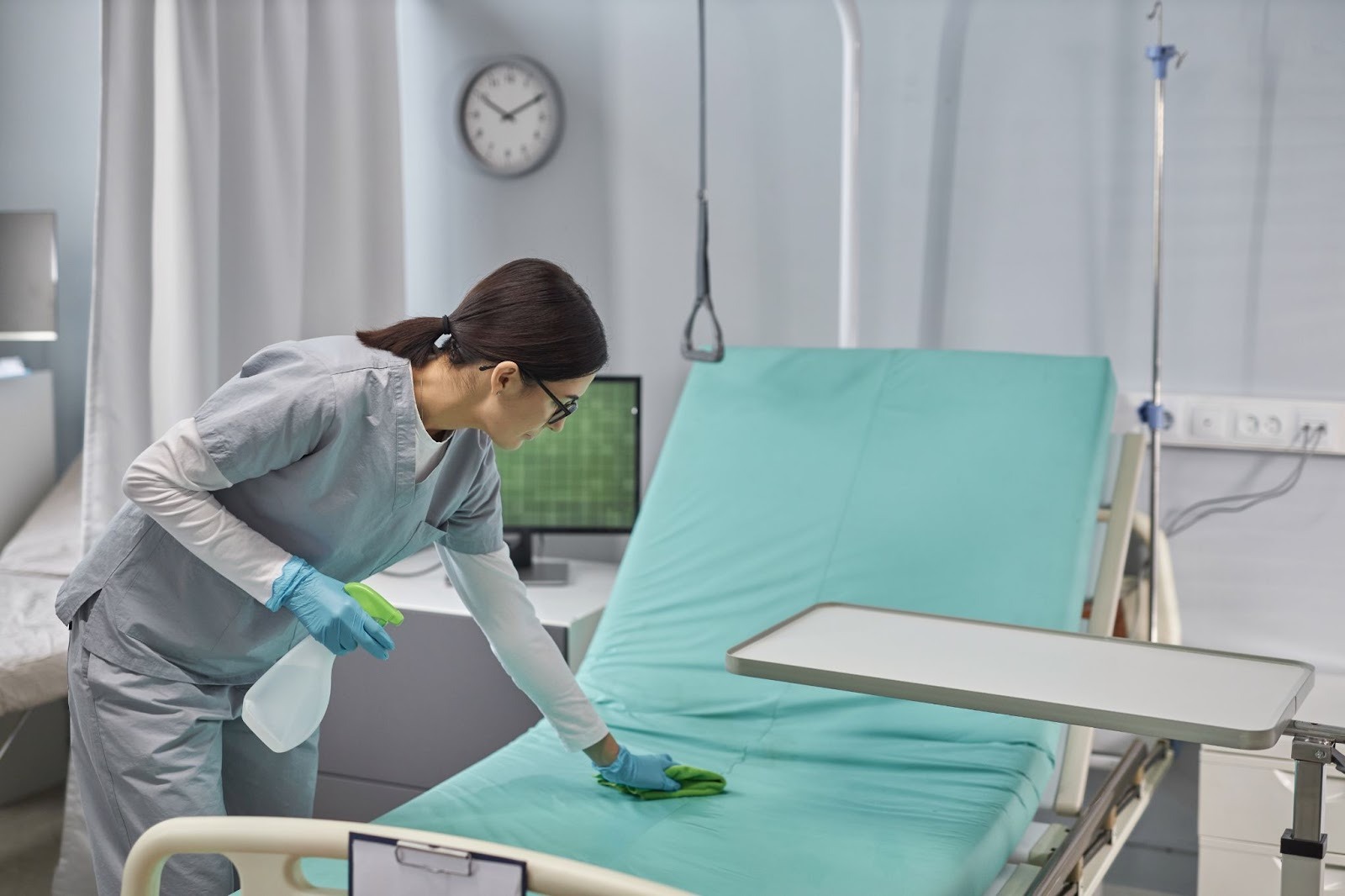
Healthcare environments are unique spaces where people with vulnerable immune systems share rooms, equipment, and common areas. Even a slight lapse in cleanliness can create opportunities for germs to spread and infections to develop. That is why medical office cleaning services are not just a cosmetic extra; they are a core part of protecting patients, visitors, and staff. Professional healthcare cleaners follow strict protocols, use appropriate products, and understand how to clean around specialized equipment. When medical cleaning services are built into daily operations, facilities can maintain a safer environment and support better patient outcomes.
Medical Cleaning Services As A Foundation For Patient Safety
In a clinical setting, every surface can affect health. Exam tables, bed rails, chairs, keyboards, and door handles are constantly touched by multiple people throughout the day. Medical cleaning services approach these spaces with the understanding that preventing infection starts long before a procedure takes place. By following structured cleaning schedules and using methods designed for healthcare environments, they reduce the number of harmful microorganisms that can be picked up and passed along. This consistent attention helps support the work of infection prevention teams, nursing staff, and physicians, all of whom rely on a clean environment to safely care for patients.
How Medical Cleaning Services Break The Chain Of Germ Transmission
Infections often spread through a chain of events: a contaminated surface, a hand that touches it, and then contact with another person or medical device. Medical cleaning services are specifically designed to break that chain. Trained healthcare cleaners focus on disinfecting high-touch surfaces where germs are most likely to linger. They understand dwell time—the time a disinfectant must remain on a surface to be effective—and apply products accordingly, rather than rushing the process. In patient rooms, treatment areas, and restrooms, attention to detail helps remove both visible soil and invisible pathogens. When this level of cleaning is done regularly, it becomes much harder for germs to survive long enough to cause infection.
High-Touch Surface Focus
Door handles, bed controls, call buttons, light switches, phones, and keyboards receive extra attention. Targeting these areas helps reduce the number of germs that can transfer from hands to patients.
Proper Use Of Disinfectants
Healthcare cleaners are trained to use hospital-grade products correctly. Following label directions and contact times ensures the chemistry works as intended, not just the appearance of cleanliness.
Medical Cleaning Services That Support Infection Control Protocols
Hospitals and clinics build infection control programs around policies, education, and environmental hygiene. Medical cleaning services are a direct, daily expression of those programs. Cleaning teams work closely with infection control professionals to align their routines with facility protocols, such as isolation precautions, room turnover procedures, and terminal cleans. They know when to use different cleaning methods in standard patient rooms versus high-risk areas such as operating rooms or procedure suites. This alignment means environmental hygiene is not happening in isolation; it is coordinated with hand hygiene campaigns, personal protective equipment practices, and clinical guidelines to create a more complete defense against infection.
Room Turnover
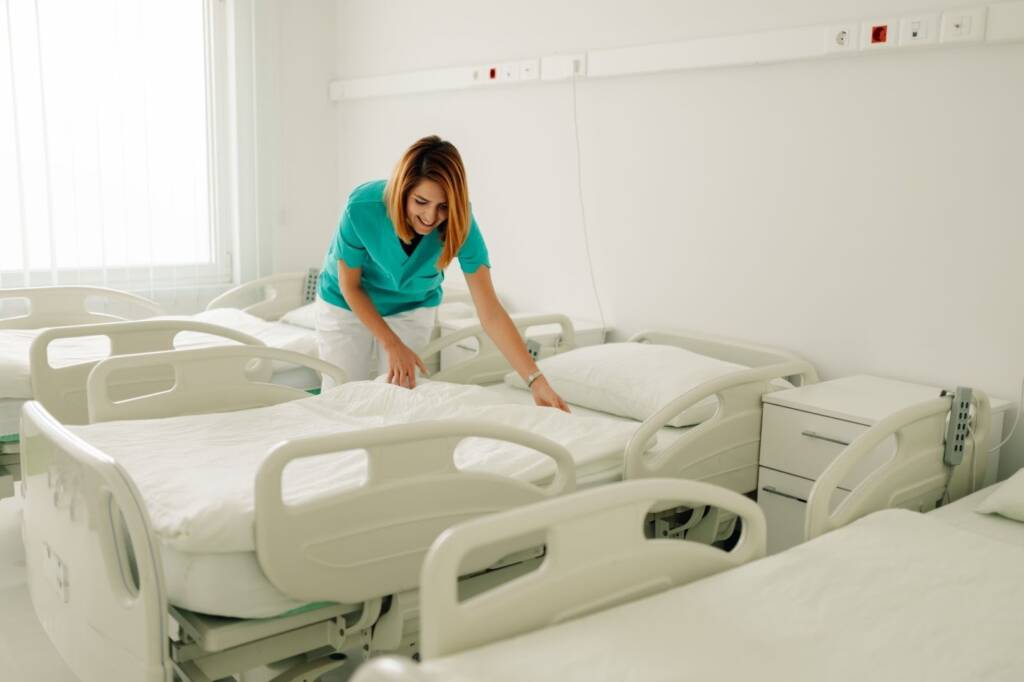
Between patients, cleaners follow a defined sequence to remove linens, disinfect surfaces, and prepare the room. Reliable turnover processes help protect the next person who enters the space.
Collaboration Between Services and Clinical Staff
Communication with nurses and infection control teams ensures cleaning priorities are clear. When everyone understands their role, the overall infection prevention strategy is much stronger.
How Medical Cleaning Services Address Bodily Fluids and Biohazards
Spills involving blood or other potentially infectious materials cannot be treated like ordinary messes. Medical cleaning services train staff to respond to these events with specific procedures that keep everyone safe. This includes using appropriate personal protective equipment, containing and absorbing the spill, applying disinfectants effective against the likely pathogens, and disposing of contaminated materials correctly. In exam rooms, hallways, or waiting areas, a rapid and properly managed response reduces the risk of exposure for patients and staff. Knowing that a specialized team is ready to handle these situations allows clinical staff to stay focused on direct patient care.
Medical Cleaning Services and Regulatory Expectations
Healthcare facilities must comply with regulations and standards set by health authorities and accrediting bodies. Environmental cleanliness is a recurring theme in inspections and surveys, from the cleaning of isolation rooms to the wiping down of equipment between uses. Medical cleaning services help facilities meet these expectations by documenting procedures, training staff, and maintaining consistent performance. Detailed checklists and quality-control inspections demonstrate that cleaning is not left to chance or memory. When auditors review practices, a strong medical cleaning program demonstrates the facility’s commitment to safe, compliant care.
Training and Competency
Healthcare cleaners receive instruction on infection risks, cleaning sequences, and product use. Ongoing training and competency checks help keep skills current and consistent.
Quality Monitoring
Supervisors may perform visual inspections, fluorescent marker tests, or other checks to verify that rooms are cleaned properly. These measures support continuous improvement over time.
How Medical Cleaning Services Protect Staff As Well As Patients
Infection control is not only about patients; healthcare workers also face daily exposure risks. Medical cleaning services help reduce the number of pathogens on shared surfaces in staff lounges, charting areas, restrooms, and changing rooms. Clean environments support better hand hygiene because sinks, dispensers, and supplies are stocked and readily accessible. When cleaners manage waste handling and disinfection processes safely, they help lower the risk of accidental exposure to infectious materials. A cleaner environment is one where staff can focus more on their work and less on worrying about what might be lingering on every surface they touch.
Choosing Medical Cleaning Services That Prioritize Safety and Detail
Not every cleaning provider is equipped for the demands of healthcare settings. Facilities that rely on medical cleaning services designed specifically for clinics, hospitals, or medical offices gain partners who understand the stakes. The most effective providers bring clear protocols, thorough training, and a culture of safety and accountability to their work. They are responsive when infection control needs change, such as during seasonal illness spikes or emerging health threats. By choosing the right partner, healthcare leaders reinforce their commitment to patient safety, support their staff, and strengthen the foundation of their infection prevention efforts. Over time, that investment in environmental hygiene becomes part of the facility’s reputation for safe, high-quality care.
Visit our Paragon Peak Building Maintenance blog to learn more about the value of medical cleaning services.
