
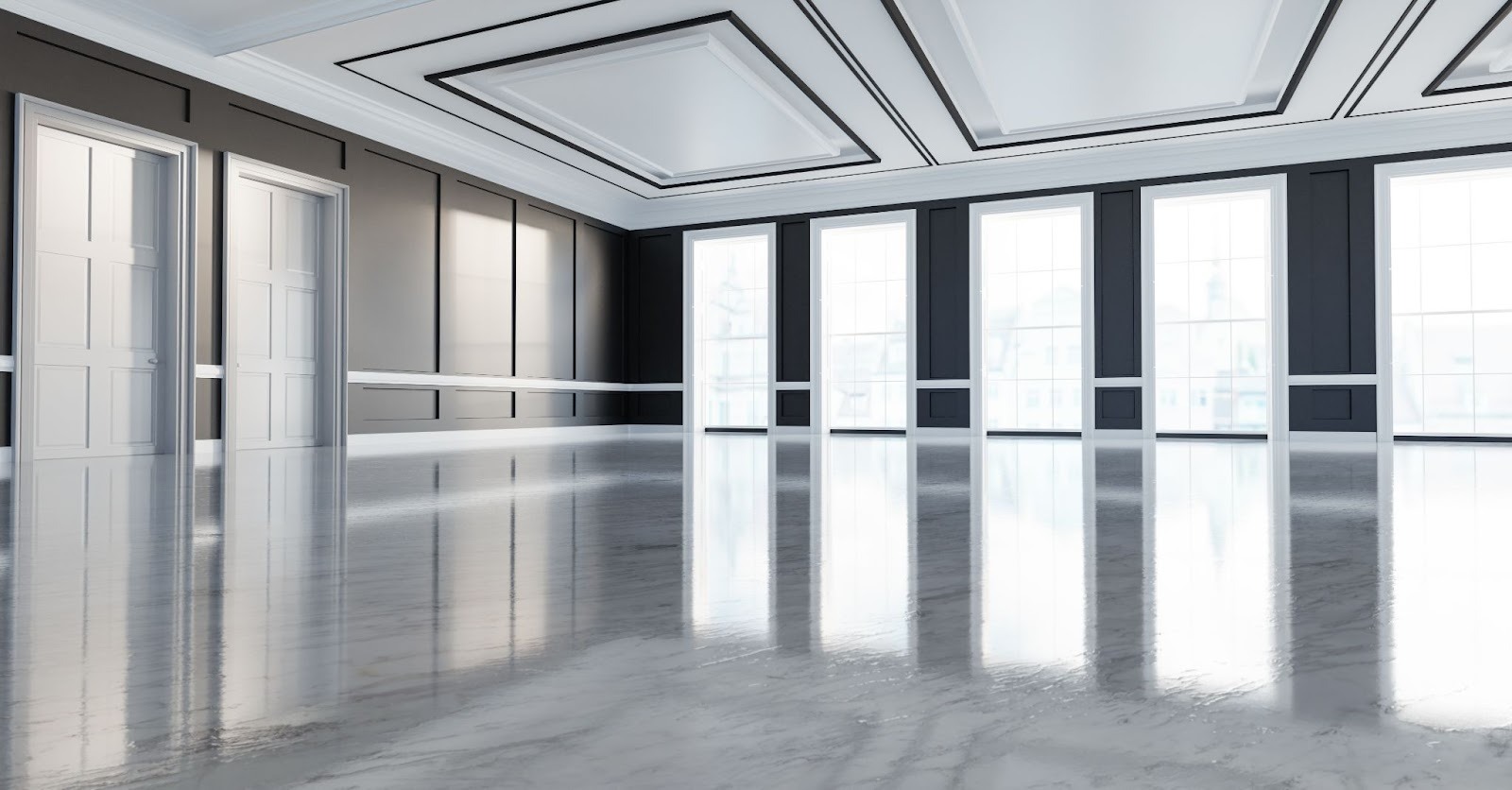
Commercial floors take more abuse than most business owners realize. Foot traffic, rolling equipment, routine cleaning, and furniture movement slowly wear down protective finishes, even when the space appears clean. Over time, that wear begins to affect how customers perceive the business and how safely employees move through the space. Flooring often becomes a silent indicator of operational discipline, reflecting either consistency or neglect. A properly timed floor refinishing service helps business owners protect their image, manage risk, and control long-term facility costs.
Why Floor Condition Impacts Business Performance
Floor condition directly influences how a business operates and how it is perceived every day. Commercial floors support constant activity, from customer traffic to equipment use, without any real downtime. As finishes degrade, their effects are seen in safety concerns, maintenance demands, and visual quality. Owners who monitor floor condition proactively maintain stronger control over brand standards and operating expenses.
Customer Perception and Brand Standards
Customers form impressions quickly, and floors often shape those impressions before staff interaction. Scuffed or faded surfaces suggest inconsistent upkeep, even when service quality remains high. Bright lighting in retail and professional spaces makes surface wear more visible than owners often expect. Flooring acts as a visual foundation that either supports or undermines brand presentation. Consistent refinishing reinforces attention to detail across customer-facing areas. Over time, that consistency strengthens trust and professionalism.
Employee Comfort and Workplace Safety
Employees spend hours standing, walking, and moving equipment across business floors. Worn or uneven surfaces increase fatigue and disrupt standard movement patterns during shifts. Slippery finishes raise the likelihood of workplace incidents, particularly in busy areas—staff notice when maintenance issues persist without resolution. Stable, well-maintained flooring supports predictable movement and comfort. That reliability contributes to productivity and lower injury risk.
What a Floor Refinishing Service Covers
A floor refinishing service addresses wear that routine cleaning cannot correct. This process removes damaged finish layers and restores the surface beneath. Commercial refinishing focuses on durability, traction, and appearance rather than cosmetic improvement alone. Understanding what refinishing includes helps owners plan maintenance more effectively.
Refinishing Compared to Cleaning and Coating
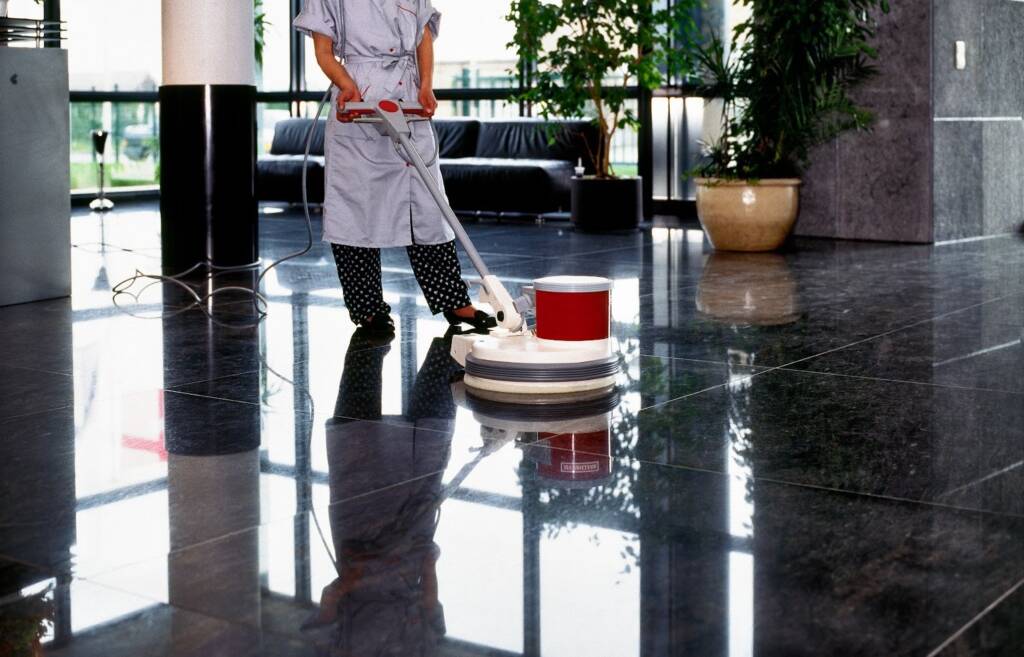
Cleaning removes dirt and debris but leaves surface damage untouched. Recoating adds a protective layer without correcting scratches or discoloration. Refinishing strips worn finishes and repairs visible wear across the surface. This deeper process restores both function and appearance. Many businesses delay refinishing by relying too heavily on recoating. Over time, that delay leads to more extensive restoration needs.
Common Refinishing Methods for Commercial Floors
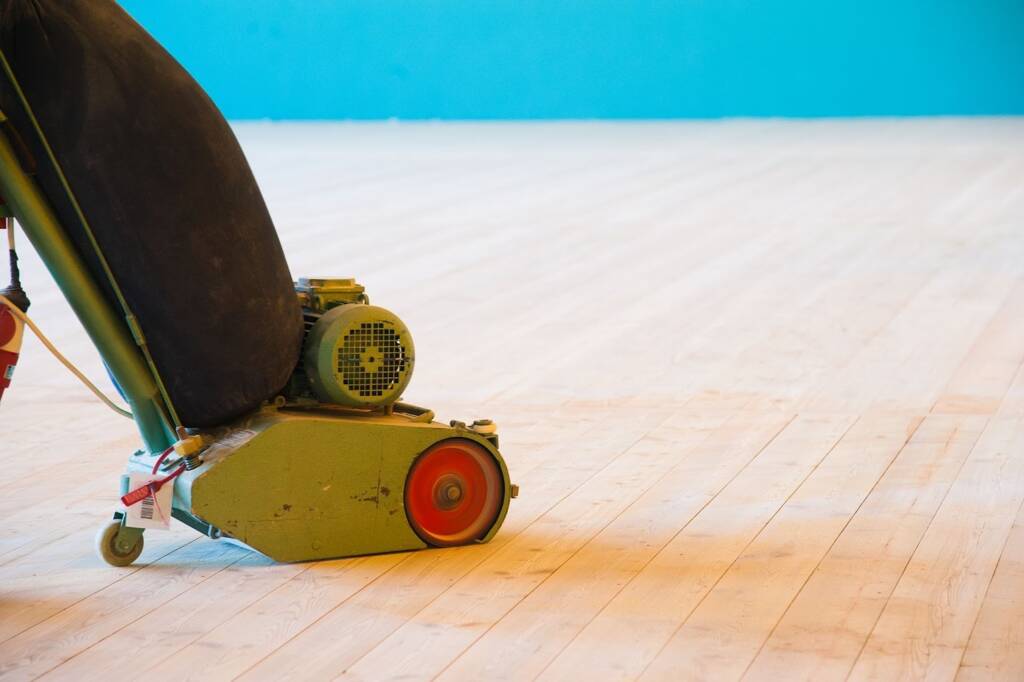
Sanding removes deep scratches and uneven wear from heavily used floors. Screening smooths surfaces between complete refinishing cycles and extends finish life. Resealing protects floors from moisture, friction, and daily abrasion. Each method is suited to specific materials and wear levels. Commercial floor refinishing providers evaluate conditions before recommending an approach. That assessment helps limit downtime and avoid unnecessary work.
How Often Businesses Need Floor Refinishing
Refinishing frequency depends on traffic intensity, flooring materials, and daily use patterns. No universal schedule fits every business environment. Owners who plan to reduce emergency repairs and operational disruptions. Strategic scheduling balances appearance, safety, and budget control.
High-Traffic Commercial Environments
Retail stores, restaurants, and clinics experience constant movement throughout operating hours. These spaces endure spills, tracked debris, and frequent cleaning cycles. Finishes wear down faster under bright lighting and heavy use. Many high-traffic businesses refinish every one to three years. Visual wear often appears before structural damage becomes obvious. Regular evaluations help owners intervene before conditions worsen.
Moderate-Traffic Professional Spaces
Office buildings and professional facilities see steadier, lighter traffic patterns. Entryways and shared areas wear faster than private offices. Chair movement and foot traffic create localized finish breakdown. Refinishing every three to five years often meets operational needs. Spot treatments can extend the life of the surface between complete services. Tracking traffic patterns improves timing accuracy.
Low-Traffic or Restricted Areas
Private offices and controlled-access spaces experience limited daily use. These floors age more slowly under stable conditions. Refinishing cycles may extend beyond five years in such environments. Visual changes remain subtle for more extended periods. Periodic inspections still protect surface integrity. Early attention prevents deeper material deterioration.
Factors That Influence Refinishing Frequency
Several variables determine how quickly floors require refinishing. Ignoring these factors often leads to poorly timed maintenance decisions. Accurate planning reflects real usage rather than generic timelines. Each factor adds clarity to service scheduling.
Flooring Material and Finish Type
Hardwood behaves differently from engineered wood or concrete under stress. Softer finishes wear more quickly in busy environments. Harder coatings resist scratches longer but still degrade with time. Specialty finishes vary widely in durability and care requirements. Material selection directly affects refinishing intervals. Understanding these differences prevents unrealistic expectations.
Foot Traffic Patterns and Equipment Load
Straight traffic paths develop visible wear lines over time. Turning points wear unevenly due to repeated motion. Entryways collect abrasive debris from outside. Carts and machinery add pressure damage beyond foot traffic. Observing movement patterns highlights vulnerable zones. Targeted refinishing addresses those areas efficiently.
Cleaning Methods and Maintenance Habits
Harsh chemicals break down finishes faster than intended. Excess moisture seeps into seams, weakening protective layers. Inconsistent routines cause uneven surface wear. Residue buildup dulls appearance and reduces traction. Professional guidance improves daily floor care practices. Proper maintenance extends refinishing cycles.
How Layout Changes Affect Floor Refinishing Cycles
Business spaces rarely stay static, and layout changes quietly reshape how floors wear over time. Expansions, department moves, and service redesigns shift traffic patterns in ways that are easy to overlook. Floors that once saw minimal use can become high-traffic zones overnight. When refinishing schedules fail to reflect these changes, surface degradation accelerates unevenly.
Renovations and Reconfigured Traffic Patterns
Renovations alter how people move through a space, even when square footage stays the same. New entrances redirect foot traffic into previously protected areas. Relocated workstations increase chair movement and surface friction. Equipment placement introduces concentrated stress in specific zones. These changes often go unnoticed until visible wear appears. Updating refinishing plans after layout adjustments keeps surfaces performing as intended.
Temporary Layout Changes With Long-Term Impact
Seasonal displays, pop-up installations, and short-term reconfigurations still affect floor condition. Temporary changes concentrate traffic for weeks or months. Finishes wear faster under repeated stress in narrow paths. Once layouts return to normal, damage remains. Businesses often underestimate these cumulative effects. Refinishing accounts for both permanent and temporary use patterns.
Aligning Floor Care With Space Planning Decisions
Facility planning and floor maintenance should operate together. When layout changes are approved, the impact on the flooring should be considered. Refinishing timelines may need adjustment after space reallocation. Coordination prevents premature surface failure. This alignment supports predictable maintenance cycles. Floors last longer when planning decisions reflect real usage.
Signs Your Business Floors Need Refinishing
Certain conditions signal when refinishing becomes necessary. Delaying action increases the scope and expense of repairs. Owners who recognize early indicators maintain better control. These signs guide informed decisions.
Visible Wear That Cleaning Cannot Fix
Scratches catch light and draw attention across open spaces. Dull areas contrast sharply with protected zones. Sun exposure fades unevenly over time. Stains resist standard cleaning methods. These conditions indicate finish failure rather than surface dirt. Refinishing restores a uniform appearance.
Changes in Surface Grip and Texture
Smooth patches feel slippery underfoot during everyday use. Rough areas trap dirt and moisture. Uneven texture suggests coating breakdown. Employees unconsciously adjust their movements to compensate. Customers notice instability immediately. Refinishing restores consistent traction and feel.
Uneven Shine Across the Floor Surface
Uneven shine across a floor signals inconsistent finish protection. High-traffic paths often appear dull while surrounding areas retain gloss. This contrast becomes more noticeable under overhead lighting. Cleaning does not correct this imbalance because the finish has worn unevenly. Customers interpret patchy shine as poor upkeep. Refinishing restores a uniform appearance across the entire surface.
Recurring Stains That Reappear After Cleaning
Stains that return after repeated cleaning indicate finish breakdown. Liquids seep into exposed wood or porous layers beneath the coating. Over time, these stains darken and spread. Standard cleaning methods fail because the surface no longer seals properly. These conditions increase maintenance time and frustration. Refinishing reseals the surface and prevents further absorption.
Increased Noise From Footsteps and Equipment
Floors that grow noisier over time often suffer from surface degradation. Worn finishes reduce sound absorption and increase echo. Rolling equipment becomes louder across damaged coatings. Employees notice these changes during daily operations. Noise affects comfort and perceived professionalism. Refinishing smooths surfaces and improves sound behavior.
Customer or Staff Feedback About Floor Condition
Customer or employee feedback often reveals issues that owners overlook. Comments about slipperiness or appearance signal declining floor performance. These observations usually occur before incidents happen. Ignoring feedback increases liability exposure. Listening to consistent concerns supports proactive maintenance. Refinishing resolves issues before they escalate.
Budgeting and Scheduling for Operations
Refinishing requires coordination and financial planning. Businesses benefit from treating flooring as a managed asset. Thoughtful scheduling limits disruption to daily operations. Clear budgets support confident decisions.
Planning Refinishing Around Business Hours
Slower periods offer greater scheduling flexibility. After-hours work keeps customer access intact. Seasonal demand affects contractor availability. Booking secures preferred timelines. Staff preparation reduces confusion during projects. Clear communication maintains workflow stability.
Comparing Refinishing to Floor Replacement
Replacement involves higher material and labor costs. Disposal adds logistical challenges. Downtime increases substantially during replacement projects. Refinishing preserves existing materials. Surface lifespan extends without complete replacement. Cost comparisons favor proactive refinishing strategies.
Advance Standards Through Floor Refinishing Service
Business environments stay competitive when physical spaces reflect discipline and foresight. Floors that receive timely refinishing support safer movement, cleaner maintenance routines, and a more reliable customer experience. When refinishing follows a plan instead of reacting to damage, operations run with fewer interruptions and more precise cost control. A deliberate floor refinishing service strategy reinforces standards that customers, employees, and partners recognize immediately.
For practical guidance on maintaining commercial spaces with confidence, explore the Paragon Peak Building Maintenance blog for expert insights.