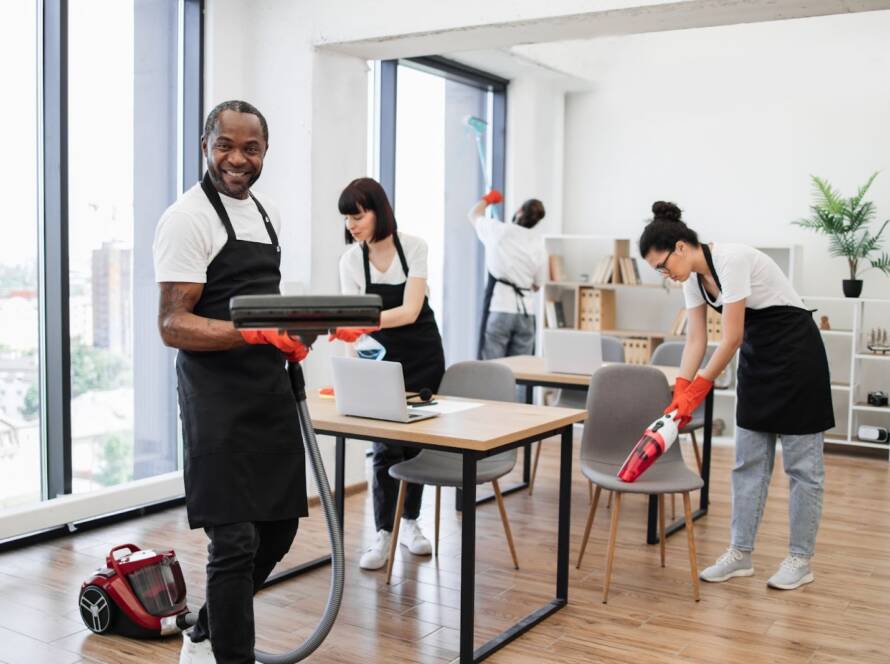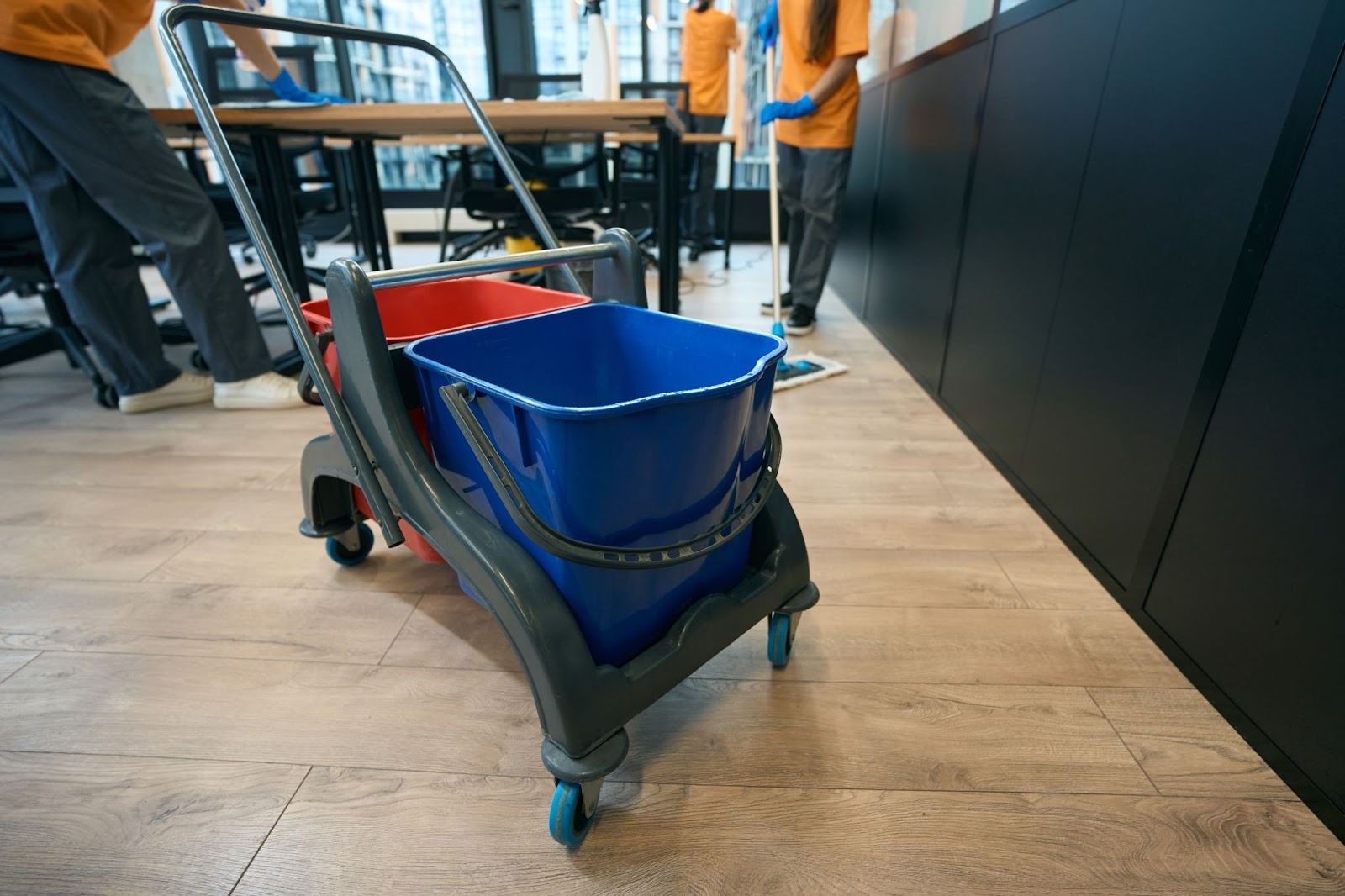
Janitorial cleaning services often become an afterthought for business owners managing tight schedules and competing priorities. Many leaders assume that as long as a space looks clean, the job is done. That belief overlooks how cleanliness directly affects employee health, customer perception, and operational continuity. Today’s work environments demand consistency, accountability, and professional standards that go far beyond appearance alone. Clearing up common misunderstandings helps business owners make informed decisions that support both daily operations and long-term stability.
How Janitorial Cleaning Reveals Operational Weak Points
Janitorial cleaning services often reveal problems unrelated to cleanliness. Many business owners overlook how cleaning patterns reflect daily operations. Missed tasks usually point to workflow issues, not staff performance. Recognizing these signals helps leaders address root causes early.
Cleaning Patterns Reflect How Spaces Are Used
Cleaning frequency often mirrors how teams actually use a space, not how it was designed. For example, break rooms may require more attention than expected because meetings are held there informally. Overflowing trash or repeated spills often signal poor space planning. Janitorial teams notice these patterns quickly because they work across the entire facility. This operational insight rarely reaches leadership without communication. Businesses that listen can adjust layouts to reduce wear and inefficiency.
Repeated Cleaning Issues Indicate Workflow Gaps
Recurring messes in specific areas often point to process breakdowns. Shipping zones may stay dirty due to rushed packing procedures. Restrooms may suffer because peak usage exceeds scheduling assumptions. These patterns reveal pressure points in daily operations. Janitorial services document these trends through routine inspections. When addressed early, minor workflow fixes reduce ongoing cleaning strain. This awareness supports smoother operations overall.
Cleaning Quality Reflects Leadership Alignment
Inconsistent cleaning often reflects unclear expectations at the management level. When leadership treats cleaning as an afterthought, standards drift across departments. Janitorial teams respond best to clear priorities and communication. Strong alignment of leadership leads to consistent outcomes. Employees also follow cues from management behavior. Cleanliness becomes part of workplace culture rather than a reactive task.
Rethinking Common Beliefs About Janitorial Cleaning
Many business owners rely on assumptions formed years ago when cleaning needs looked far simpler. Those assumptions often shape decisions without considering how workplaces, regulations, and expectations have changed. Addressing these beliefs head-on creates a more straightforward path to more brilliant, more effective facility management.
Janitorial Services Mean Basic Cleaning Only
Janitorial cleaning services involve structured, ongoing maintenance that supports how a business functions every day. Many owners mistakenly believe these services stop at surface-level tasks because they only notice what is visible. That narrow view ignores the planning, scheduling, and hygiene standards behind professional cleaning programs. Modern janitorial services focus on maintaining healthy, orderly environments that support productivity and safety.
Restroom and Breakroom Cleaning Follows Protocols
Janitorial services apply defined sanitation standards to restrooms and break areas because these spaces carry higher hygiene risks. Cleaners focus on surface disinfection, odor control, and supply restocking to maintain comfort throughout the day. Supplies get replenished before shortages affect employees or visitors. Odors receive the same attention as visible cleanliness to maintain a professional atmosphere. These shared spaces often shape employee satisfaction more than owners expect. Regular care prevents minor issues from becoming ongoing complaints.
Floor Care Requires Specialized Janitorial Methods
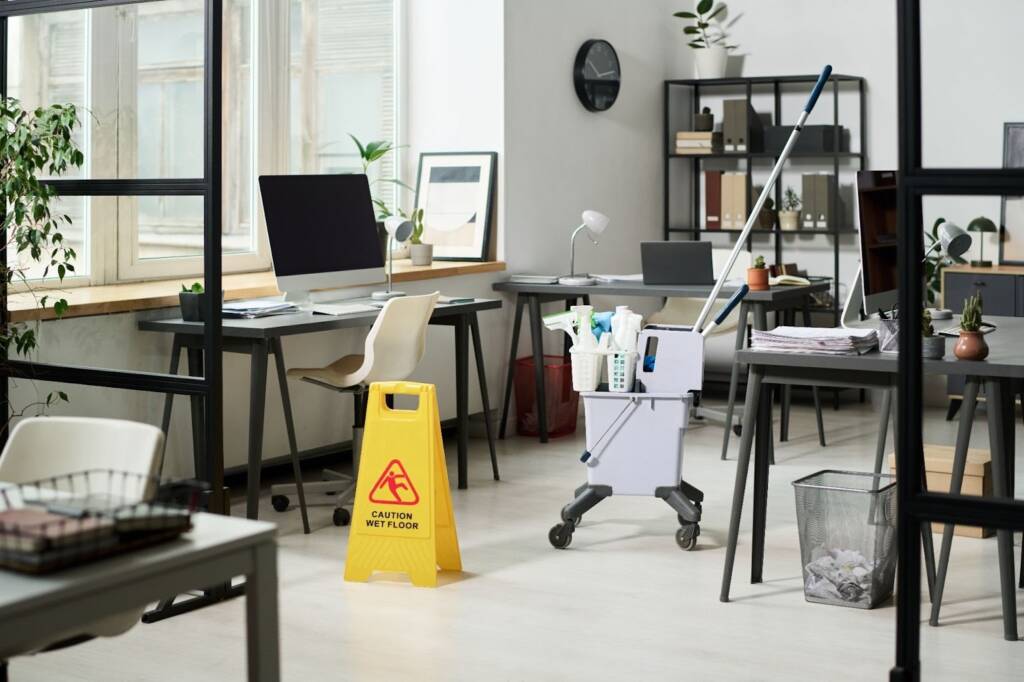
Janitorial cleaning also covers proper floor care based on material type and traffic levels. Carpet, tile, and hardwood require different tools and techniques to prevent damage. Professional equipment removes embedded dirt without harming surfaces. Routine maintenance prevents stains from setting and reduces long-term wear. Floors maintain their appearance longer with consistent care. Over time, businesses avoid premature repair and replacement costs.
In-House Cleaning Replaces Professional Support
Some businesses assign cleaning duties to employees to control expenses. This approach may seem efficient at first. Over time, quality gaps and inefficiencies emerge. Professional support addresses these challenges through structure.
Cleaning Duties Reduce Employee Productivity
Employees hired for core roles lose focus when cleaning becomes part of their workload. These added responsibilities divide attention during work hours. Cleaning tasks often receive rushed effort. Inconsistent results follow quickly. Frustration builds when expectations feel unclear. Productivity declines gradually.
Training and Equipment Gaps Limit Results
Professional cleaners receive training on safety, products, and techniques. Internal teams rarely have the same preparation. Improper chemical use damages surfaces and equipment. Equipment purchases increase costs unexpectedly. Storage and upkeep add operational strain. Outsourcing removes these barriers.
Accountability Suffers Without Clear Oversight
In-house cleaning lacks formal inspection systems. Tasks get skipped during busy periods. No reporting tracks quality trends. Professional services include supervisors and audits. Problems get addressed early. Consistency improves through accountability.
Professional Cleaning Costs More Than It Should
Many business owners view cleaning as an optional expense. This view ignores long-term operational impact. Costs often reflect value when appropriately measured. Alignment with business needs clarifies return.
Service Plans Match Facility Size and Use
Professional providers tailor schedules to square footage and traffic. Smaller offices avoid unnecessary services. Cleaning frequency changes as needs evolve. This flexibility supports growth. Predictable billing simplifies budgeting. Financial surprises decrease.
Preventive Cleaning Lowers Repair Costs
Dirt and neglect cause gradual surface damage. Routine cleaning prevents deterioration. Floors and furniture last longer. Repair frequency declines. This preventive approach protects assets. Savings appear steadily.
Clean Spaces Strengthen Brand Perception
Clients notice cleanliness immediately upon entry. Orderly spaces signal professionalism. Employees also respond positively—pride in the workplace increases. Trust builds quietly. Retention improves naturally.
All Professional Cleaning Providers Are the Same
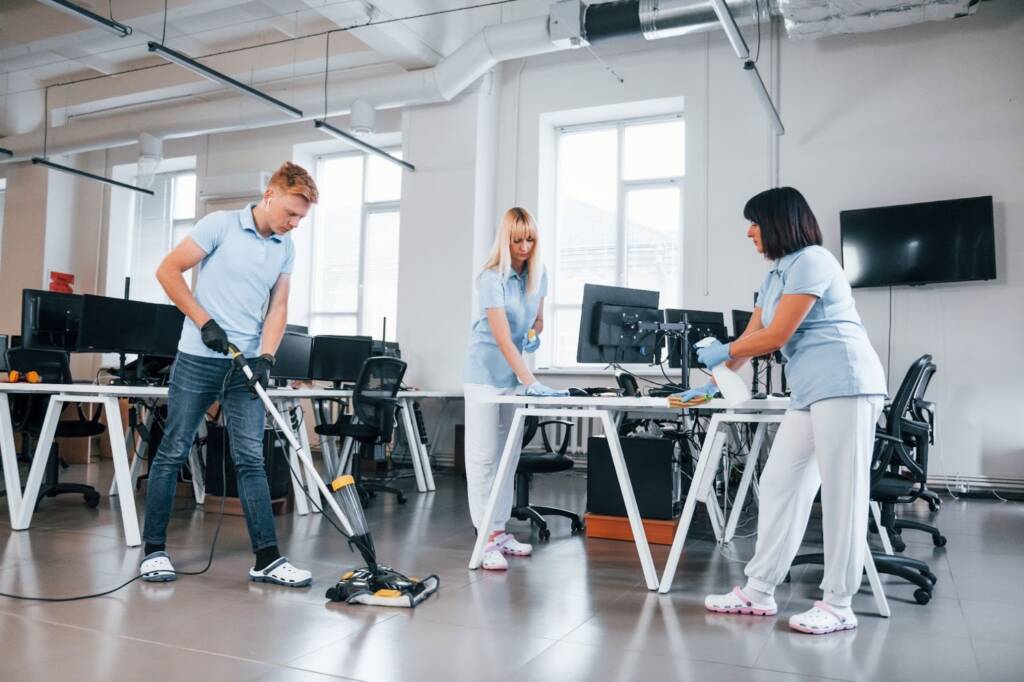
Cleaning providers vary widely in systems and standards. Assuming uniform quality leads to poor partnerships. Differences become apparent over time. Awareness improves selection.
Training Standards Shape Service Quality
Established providers invest in structured training. Cleaners learn safety and efficiency. Ongoing education maintains consistency. This preparation shows in the results. Untrained teams struggle. Training defines reliability.
Quality Control Systems Drive Consistency
Inspections and checklists monitor performance. Supervisors review completed work. Documentation tracks recurring issues. Oversight prevents decline. Owners gain visibility. Trust develops steadily.
Communication Defines Reliable Providers
Strong providers prioritize clear communication. Requests receive timely responses. Schedule changes stay coordinated. Misunderstandings decrease. Poor communication signals deeper issues. Clarity strengthens partnerships.
Cleaning Disrupts Daily Business Operations
Many owners worry that cleaning will interrupt work. Professional planning reduces this risk. Coordination aligns cleaning with operations. Disruption becomes minimal.
Flexible Scheduling Protects Productivity
Most cleaning occurs outside core hours. Evening or early schedules prevent interruptions. Providers adapt to business needs. Employees remain focused. Noise stays controlled. Workflows continue smoothly.
Secure Access Procedures Reduce Risk
Professional teams follow access protocols. Keys and codes remain protected. Entry logs provide accountability. Management gains reassurance. Sensitive areas receive care. Trust builds through transparency.
Only Large Offices Need Professional Cleaning
Cleaning needs depend on use, not size. Small offices face the same hygiene challenges. Limited space concentrates wear. Standards apply universally.
Smaller Spaces Accumulate Dirt Faster
Foot traffic concentrates in compact areas. Shared surfaces spread bacteria quickly. Routine cleaning limits buildup. Air quality improves—comfort increases. Operations feel smoother.
Client Areas Shape Brand Image Quickly
Visitors notice cleanliness immediately. Small offices feel more personal. Neglect becomes obvious fast. Professional cleaning maintains consistency. Credibility strengthens. Impressions improve.
Green Cleaning is Mostly a Marketing Claim
Green cleaning uses safer products and methods. Some question effectiveness. Modern solutions meet commercial standards. Results remain reliable.
Health Benefits Matter in Shared Spaces
Green products reduce chemical exposure. Odors become less noticeable. Sensitive employees feel comfortable. Air quality improves. Complaints decrease. Wellness improves quietly.
Sustainability Aligns With Business Values
Sustainable practices reflect responsible leadership. Many clients value these choices. Waste reduction becomes routine. Compliance improves. Credibility strengthens. Reputation benefits naturally.
One-Time Deep Cleaning Solves Ongoing Issues
Deep cleaning addresses buildup temporarily. Dirt returns without maintenance. Routine care prevents recurrence—consistency matters.
Routine Cleaning Prevents Gradual Wear
Daily traffic embeds dirt into surfaces. Spills leave residue behind. Regular cleaning removes contaminants early. Surfaces last longer. Appearance stays professional. Wear slows.
Consistency Supports Workplace Health
Bacteria spread continuously—routine disinfection limits risk. Absences decline. Employees notice improvements. Confidence grows. Standards stabilize.
Refine Your Janitorial Cleaning Services Approach
A refined approach to janitorial cleaning services starts with treating cleanliness as an operational system, not a checklist. When expectations, schedules, and accountability align, cleaning supports productivity instead of competing with it. Businesses that regularly review performance and communicate priorities clearly tend to experience fewer disruptions and greater consistency. Choosing to manage cleaning with the same intent as other core functions creates a work environment that supports people, protects assets, and reinforces professional standards every day.
Find more precise answers and more innovative facility strategies on the Paragon Peak Building Maintenance blog.