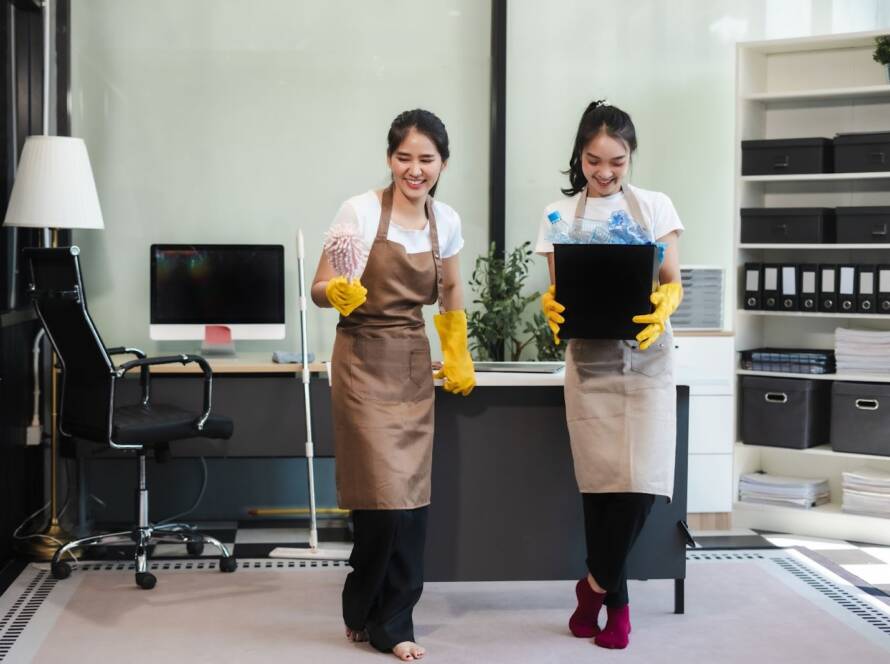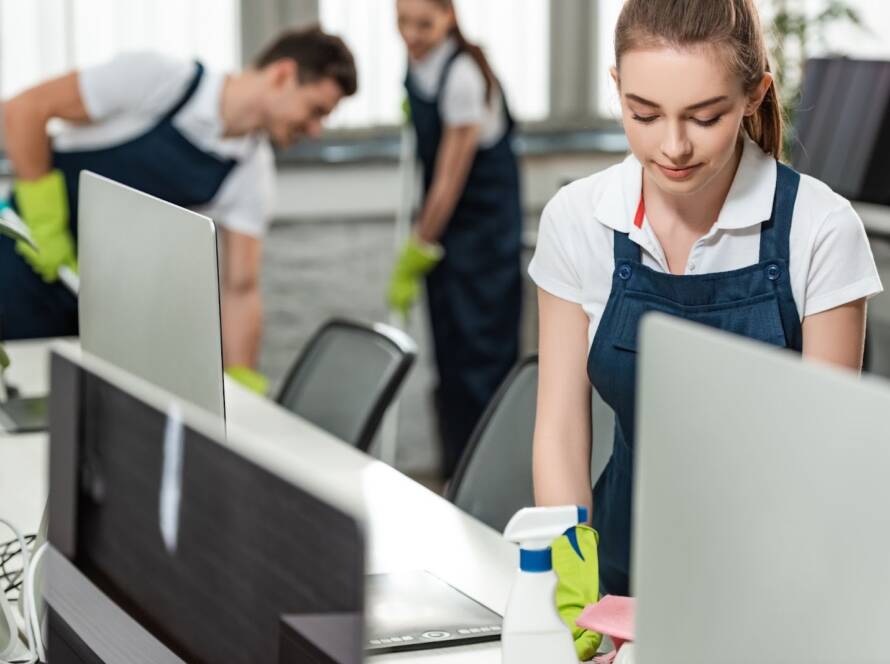
Clean premises shape how clients judge your business before any meeting begins. Employees also gauge leadership by the condition of shared spaces and restrooms. Commercial cleaning companies meet these expectations through disciplined systems and trained staff. Business owners who treat hygiene as a strategic function protect revenue, brand reputation, and workforce stability. Strong sanitation standards now influence contracts, renewals, and long-term growth across industries.
Rising Hygiene Standards in Commercial Spaces
Commercial cleaning companies maintain hygiene standards by aligning services with health expectations, regulations, and risk management goals. Today’s commercial environments face heightened scrutiny from clients, tenants, and regulatory bodies. Owners must demonstrate that their facilities comply with health codes and industry-specific sanitation standards. Professional cleaning providers address these demands through structured programs that protect both people and brand credibility.
Client and Employee Health Expectations
Commercial hygiene standards now reflect public awareness of infection control and workplace wellness. Clients expect spotless lobbies, sanitized conference rooms, and odor-free restrooms as visible proof of operational discipline. Employees look for clean air, disinfected workstations, and well-maintained break areas that support daily productivity. Commercial cleaning services meet these expectations by focusing on high-traffic zones and shared touchpoints. Teams disinfect door handles, elevator buttons, and communal surfaces several times daily. This proactive attention reassures visitors and strengthens internal confidence in your workplace practices.
Regulatory Compliance and Industry Codes
Compliance means adhering to local health codes, occupational safety regulations, and sector-specific sanitation laws. Medical offices, food service operations, and warehouses each follow distinct regulatory frameworks. Commercial cleaning companies study these requirements before designing service plans for each facility. They document cleaning schedules, chemical usage, and inspection records to support audit readiness. Regulatory agencies such as OSHA and local health departments often review these records during inspections. This documentation protects your business from fines, shutdowns, and reputational damage.
Operational and Legal Risk Reduction
Poor sanitation exposes businesses to financial and legal risks that extend beyond cleaning costs. Illness outbreaks can disrupt operations and reduce workforce availability. Negative reviews tied to visible dirt or odors can deter prospective clients. Commercial cleaning companies reduce these risks through preventive maintenance and systematic disinfection. They address contamination sources before they escalate into larger operational setbacks. This risk-focused approach strengthens business continuity and client trust.
How Commercial Cleaning Firms Maintain Hygiene
Hygiene management in commercial spaces goes beyond routine janitorial work. Commercial cleaning companies follow defined systems that control risk, maintain compliance, and protect brand credibility. Their methods combine trained staff, regulated products, and measurable oversight. The following explains the structured practices that keep business environments consistently clean and health-focused.
Structured Cleaning Protocols and SOPs
Structured protocols define how commercial cleaning companies maintain consistent hygiene standards across facilities. These standard operating procedures (SOPs) outline specific cleaning methods, frequencies, and accountability measures. Clear systems reduce variation between teams and service locations. Documented processes protect quality and reinforce client confidence.

Facility Assessments and Custom Plans
A professional cleaning strategy begins with a detailed facility assessment. Supervisors examine surface types, square footage, occupancy density, and operational hours. They also identify sensitive areas, such as food-prep areas or medical suites. Commercial cleaning companies use this evaluation to design a customized service plan. This tailored plan aligns labor hours with actual risk exposure. Focused planning prevents under-servicing critical areas and over-servicing low-risk spaces.
Task Schedules and Workflow Design
Task schedules convert cleaning plans into structured daily routines. Teams follow defined workflows that separate high-risk and low-risk zones. Supervisors assign responsibilities based on training and site complexity. Commercial cleaning companies rely on digital or printed checklists to prevent skipped steps. This structured workflow reduces confusion during busy shifts. Organized sequencing improves both efficiency and hygiene control.
Inspection and Quality Verification
Inspection systems validate whether standards meet client expectations. Supervisors conduct routine walkthroughs using scoring tools or mobile apps. Commercial cleaning companies review inspection data to identify patterns or recurring gaps. This monitoring system allows immediate corrective action. Continuous verification maintains consistent results across contracts. Quality audits reinforce accountability at every level.
Staff Training and Supervision Systems
Well-trained staff determine whether hygiene protocols succeed in real environments. Commercial cleaning companies invest in structured training before assigning employees to client facilities. These programs cover infection control, equipment handling, and regulatory awareness. Skilled professionals apply cleaning standards with precision and consistency.
Initial Sanitation and Safety Training
Initial training builds foundational competence. New hires learn proper contact times for disinfectants and dilution ratios. Trainers demonstrate surface-specific techniques to prevent damage and the spread of contamination. Commercial cleaning companies also cover workplace hazard recognition. This structured onboarding reduces avoidable errors. Strong preparation improves reliability from day one.
Ongoing Education and Skill Updates
Health guidance evolves as research advances. Commercial cleaning companies conduct refresher training to ensure compliance with updated standards. Supervisors share regulatory changes and product adjustments during team meetings. This ongoing instruction keeps staff aligned with current infection-control science. Updated knowledge prevents outdated practices. Ongoing education strengthens long-term service quality.
Supervision and Performance Accountability
Active supervision maintains discipline across teams. Site managers review completed work and provide direct feedback. Commercial cleaning companies track employee performance using measurable benchmarks. This accountability system identifies strengths and areas for improvement. Structured reviews encourage professional development. Clear oversight preserves consistent hygiene delivery.
Approved Disinfectants and Safe Products
Effective sanitation depends on selecting verified cleaning products. Commercial cleaning companies choose disinfectants that meet regulatory and industry standards. These approved solutions target bacteria, viruses, and fungi common in commercial settings. Careful product management protects occupants and facility surfaces.
Certified and Hospital-Grade Solutions
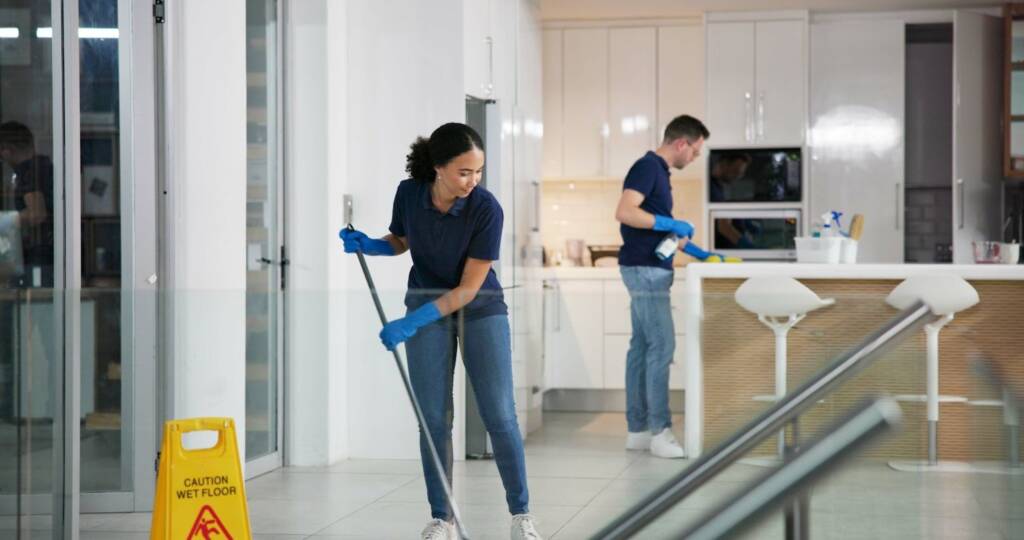
Certified disinfectants undergo laboratory testing for pathogen control claims. Commercial cleaning companies often deploy hospital-grade products in higher-risk facilities. Clear labeling specifies dilution instructions and contact times. Teams follow these requirements precisely during the application process. This product discipline supports consistent microbial reduction. Verified solutions strengthen compliance documentation.
Chemical Handling and Storage Protocols
Proper handling preserves disinfectant effectiveness. Commercial cleaning companies train staff to dilute concentrates accurately. Incorrect mixing can weaken performance or create hazards. Teams store chemicals in labeled containers within secure areas. Safety data sheets remain accessible for emergency reference. Responsible storage reduces workplace risk.
Sustainable and Low-Toxic Options
Many organizations prioritize environmental responsibility. Commercial cleaning companies now offer green-certified cleaning products. These solutions reduce exposure to harsh chemicals while maintaining sanitation performance. Lower toxicity supports improved indoor air quality. Sustainable options align with corporate responsibility initiatives. Balanced product selection meets both hygiene and environmental goals.
Advanced Equipment and Cleaning Technology
Modern sanitation relies on specialized equipment that enhances precision and coverage. Commercial cleaning companies integrate technology to improve efficiency and consistency. Advanced tools reduce manual limitations in large or complex facilities. Equipment-based systems create measurable hygiene improvements.
HEPA Filtration and Air Quality Control
HEPA filtration captures microscopic airborne particles. HEPA stands for High-Efficiency Particulate Air, which filters fine dust and other airborne particles. Commercial cleaning companies use HEPA-equipped vacuums in offices and clinics. Cleaner air reduces respiratory irritation for occupants. Routine filtration limits surface dust accumulation. Air quality management reinforces overall sanitation perception.
Electrostatic Disinfection Technology
Electrostatic sprayers improve disinfectant coverage on irregular surfaces. Charged droplets cling to objects, increasing contact efficiency. Commercial cleaning companies use this method in high-touch environments. This technology reduces missed spots during application. Enhanced coverage improves pathogen control reliability. A faster application also reduces operational downtime.
Automated Floor Care Systems
Automated scrubbers maintain consistent pressure and water usage. Commercial cleaning companies deploy these machines in warehouses, malls, and campuses. Controlled scrubbing extends floor lifespan and reduces residue buildup. Operators receive technical training to prevent misuse of equipment. Routine maintenance keeps machines operating efficiently. Advanced floor care systems preserve appearance and hygiene simultaneously.
Cross-Contamination Prevention Practices
Preventing cross-contamination protects employees, clients, and facility infrastructure. Commercial cleaning companies implement strict procedures to limit bacterial transfer between areas. Defined cleaning sequences separate restroom tasks from office duties. These preventive systems reduce infection risk throughout the property.
High-Touch Surface Management
High-touch areas accumulate pathogens quickly. Commercial cleaning companies identify these surfaces during site evaluations. Teams increase disinfection frequency for handles, switches, and shared equipment. Structured sequences prevent recontamination after cleaning. Targeted attention reduces transmission risk. Consistent focus strengthens hygiene control.
Color-Coded Tools and Microfiber Systems
Color-coded cloths prevent tool crossover between zones. Commercial cleaning companies assign specific colors to restrooms, kitchens, and other common areas. Microfiber materials trap contaminants more effectively than traditional cloths. This material reduces chemical dependency while improving cleaning efficiency. Teams sanitize reusable tools after each shift. Organized tool systems limit contamination spread.
Waste Handling and Restroom Protocols
Waste management requires structured procedures. Commercial cleaning companies remove trash at scheduled intervals using protective equipment. Teams isolate restroom supplies from other cleaning materials. Methodical sanitation of fixtures prevents bacterial buildup. Clear restroom protocols reduce odor and contamination risks. Controlled disposal practices complete the hygiene cycle.
Optimize Facilities With Commercial Cleaning Companies
Commercial cleaning companies influence operational efficiency more than most businesses realize. A structured cleaning partnership reduces downtime, extends asset lifespan, and reinforces your brand’s professional image. Clean, well-maintained environments also support employee focus and client confidence in subtle but powerful ways. Review your current facility standards, identify performance gaps, and align your operations with a provider that delivers measurable, accountable hygiene results.
Discover smarter facility care solutions on the Paragon Peak Building Maintenance blog and refine your cleaning strategy with confidence.